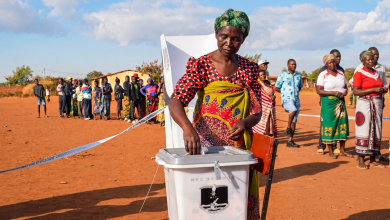
For years, Doreen Seyani of Shuga Village in Chiradzulu struggled to make meaningful profits from her farm produce due to poor access to markets.
In 2023, she sold her maize, pigeon peas and cassava at low prices to vendors because she could not transport them to Mbulumbuzi Trading Centre.
“I toiled in vain as I sold my maize, pigeon peas and cassava at low prices to vendors,” says the woman from Traditional Authority Ntchema.
Like many farmers in the area, Seyani could not transport her produce to the trading centre along the Limbe-Zomba Road after Cyclone Freddy destroyed the 8.1-kilometre Magomero Turn-off to Namadzi River Road.
“We stayed at home. It was hard to travel on the heavily gullied road. Motorcycle operators hiked fares, which were unreasonable and not economically viable,” she recalls.
The situation gave vendors an advantage as they offered prices below the farm-gate prices recommended by the Ministry of Agriculture.
The mother of three said farmers found themselves in a difficult position.
“The prices could not meet the cost of production. We had no choice but to sell our crops at giveaway prices because we needed money,” she said.
Another villager, Efa Billy, said the situation frustrated her efforts to lift her household out of poverty.
“I had hoped to use proceeds from crop sales to diversify my income sources by opening a grocery shop and building rental houses. Instead, I earned very little,” she said.
Senior Chief Ntchema said the damaged road brought economic activities in the area to a standstill.
“Everything here depends on transportation, which became a major challenge because of the damaged road. Students at Nasawa Technical College also suffered. We practise farming as a business, but we could not take our produce to markets, giving vendors the opportunity to buy at low prices,” he said.
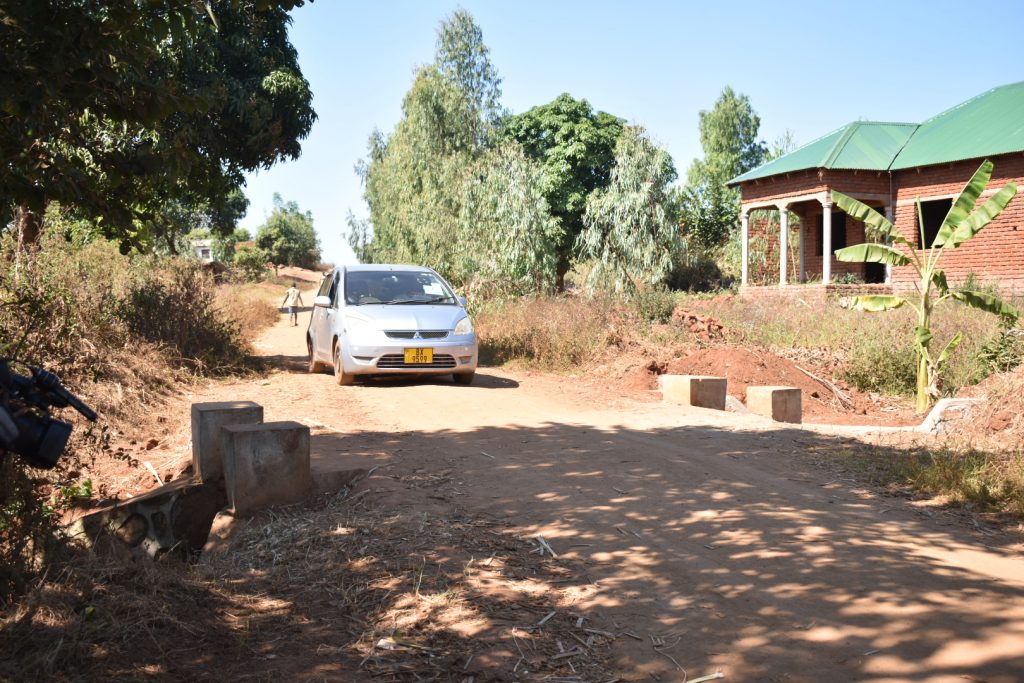
Today, the chief and his subjects enjoy easier access to markets following the rehabilitation and upgrading of the 8.1-kilometre road under the World Bank-funded Regional Climate Resilience Programme (RCRP-II).
Implemented with support from the National Local Government Finance Committee, the programme aims to strengthen the resilience of public infrastructure in sectors such as education, health, roads and agriculture against water-related climate shocks, while restoring infrastructure damaged by cyclones.
About K268.8 million was spent to reshape and gravel the road. Box and ring culverts, gabion baskets, masonry drainage structures and check dams were also installed to improve durability and resilience.
Since the completion of the works on December 18, 2025, Seyani said life has improved as people can now travel and trade with ease.
“We now have the freedom to sell our crops wherever we want because travelling is easier and faster. We take our produce to Mbulumbuzi and Thondwe markets, where we earn better prices to meet our needs,” she said with a smile.
Billy, who is also Group Village Head Shuga, said communities have embraced land and water conservation measures to protect the road infrastructure.
“We are restoring the environment. About 100 trees were planted through the programme, but we are also intentionally planting more trees to conserve the environment and prevent future damage to the road,” she said.
Ntchema commended the programme for improving mobility and stimulating development in the area.
“This has contributed to the increase in development projects that my people are undertaking in their homes because economic activities have improved due to easier mobility,” he said.
The district council’s engineer, Bridget Kachokammanja, said the programme provided sufficient resources to construct a durable and climate-resilient road.
“We used quality materials to ensure the programme achieves its objective of delivering durable and high-quality roads,” she said.